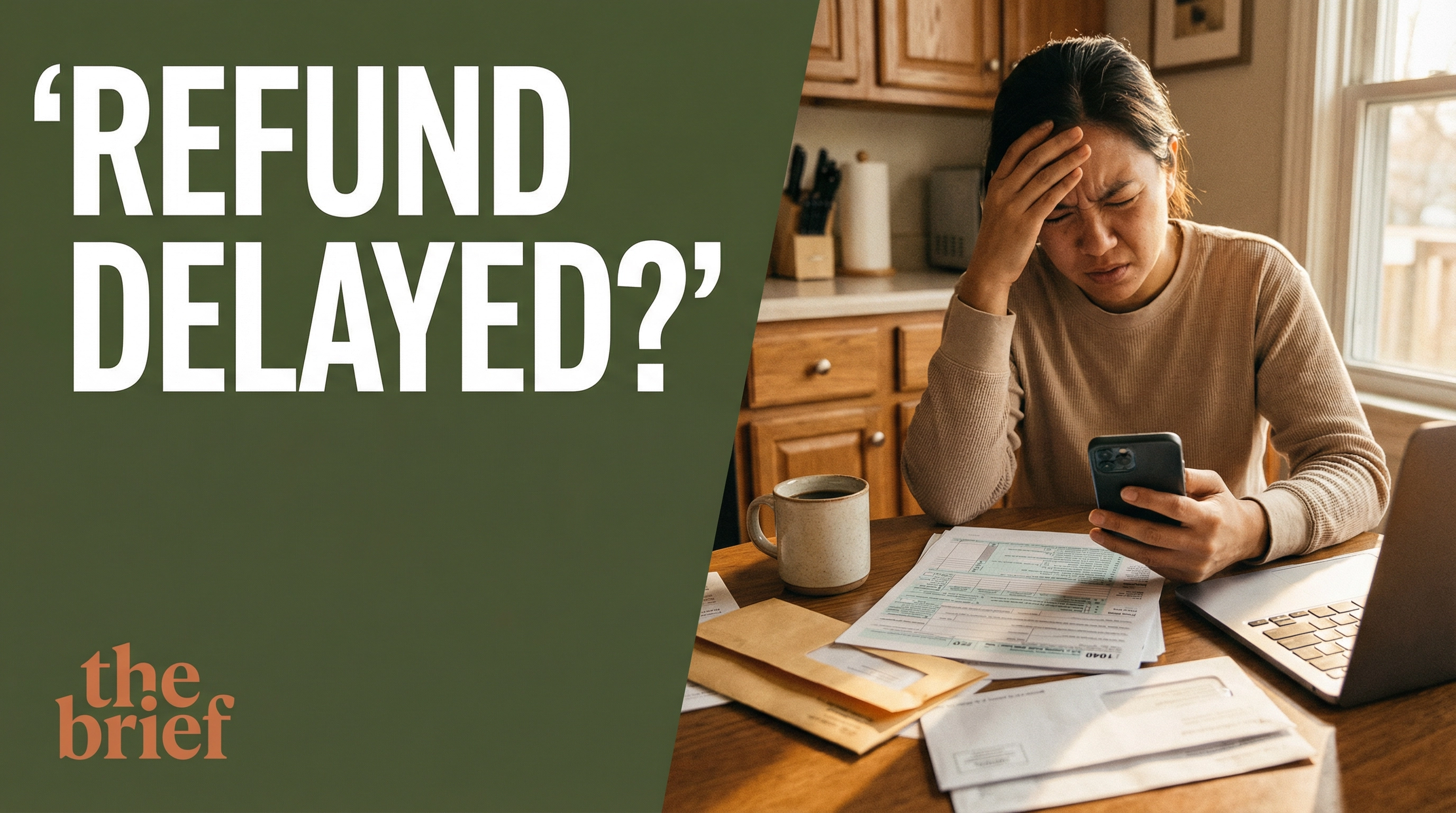
Late filing is one of the most common tax situations in America — and one of the most misunderstood. Many people assume the consequences are catastrophic, when in reality, the system is more structured and manageable than most expect. This video breaks down exactly what happens when you file late, what penalties apply, and what steps you can take right now.
Late Filing Is More Common Than You Think
Every year, millions of Americans miss the filing deadline. Life gets complicated — medical emergencies, job changes, missing documents, or simply not knowing where to start. The IRS knows this. That's why the system includes structured penalties rather than immediate legal action. Understanding how these penalties work is the first step toward resolving the situation.
The Failure-to-File Penalty
If you owe taxes and don't file your return by the deadline, the IRS charges a failure-to-file penalty of 5% per month on the unpaid balance. This penalty maxes out at 25% of the amount owed. It's the more expensive of the two main penalties, which is why the IRS always recommends filing — even if you can't pay.
The Failure-to-Pay Penalty
Separate from the filing penalty, there's a failure-to-pay penalty of 0.5% per month on the unpaid balance. This also caps at 25%. If both penalties apply in the same month, the failure-to-file penalty is reduced by the failure-to-pay amount, so the combined maximum for any single month is 5%.
File an Extension — Form 4868
If you know you won't be ready by the deadline, you can file Form 4868 to request an automatic six-month extension. This gives you until October 15 to file your return. However, it's important to understand that an extension to file is not an extension to pay. You're still expected to estimate and pay what you owe by the original deadline.
Getting a Refund? No Penalty.
Here's something many people don't realize: if you're owed a refund, there is no penalty for filing late. The penalties only apply when you owe money. However, you do have a three-year window to claim your refund — after that, the money goes to the U.S. Treasury.
Interest Compounds Daily
In addition to penalties, the IRS charges interest on unpaid taxes. This interest compounds daily and is based on the federal short-term rate plus 3%. Unlike penalties, interest cannot be waived — it accrues from the original due date until the balance is paid in full.
File As Soon As You Can
The single most important step is to file your return as soon as possible — even if you can't pay the full amount. Filing stops the failure-to-file penalty from growing. If you owe money and can't pay it all at once, the IRS offers installment agreements that let you pay over time. You can also request a short-term extension to pay or apply for an offer in compromise if you're facing financial hardship.
The Bottom Line
Filing late isn't the end of the world — but ignoring it makes everything worse. File as soon as you can, even if you can't pay. The IRS has options for you.
Get the Late Filing Action Plan
A step-by-step checklist for what to do if you've missed the deadline.
Download Free Guide