## Got an IRS Letter? Here's What It Actually Means
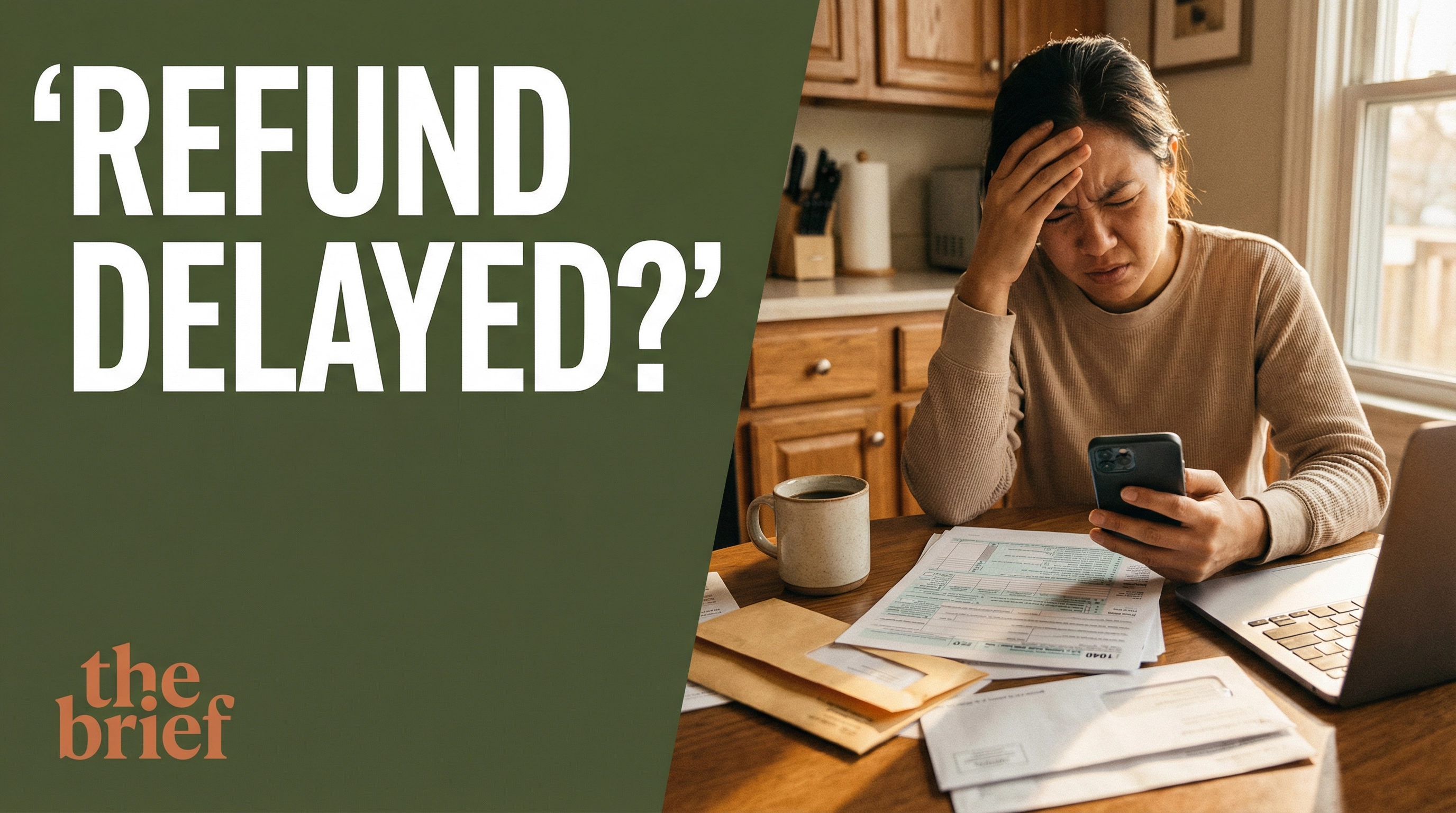
If you have ever opened your mailbox to find an envelope from the IRS, you know the feeling. Your stomach drops. Your mind races. You assume the worst.
But here is the truth: most IRS notices are not audits. They are routine communications — and understanding what they mean is the first step toward handling them calmly.
### Why Most IRS Letters Are Not Audits
The IRS sends millions of notices every year. The vast majority are not audits. They are:
- **Math corrections** — The IRS recalculated something on your return
- **Missing forms** — A W-2 or 1099 was not included
- **Income matching** — Reported income did not match what employers or banks sent to the IRS
These are administrative notices, not investigations. They usually require a simple response or no action at all.
### How to Read an IRS Notice
Every IRS notice follows a structure:
1. **Notice number** — Located in the top right corner (e.g., CP2000, CP14)
2. **What changed** — The letter explains what the IRS found
3. **What you owe (if anything)** — Any adjusted amount
4. **Response deadline** — Usually 30–60 days
5. **How to respond** — Instructions for agreement or dispute
The key is reading the entire letter before reacting. Most people panic at the first sentence and miss the instructions that follow.
### Your 5-Step Response Framework
When you receive an IRS notice:
**1. Open it** — Do not let it sit. Ignoring it creates more problems than addressing it.
**2. Read it fully** — Every word matters. The letter tells you exactly what changed and why.
**3. Identify the specific issue** — Is it a math error? A missing form? An income discrepancy?
**4. Decide your response** — Do you agree with the change? If yes, follow the payment instructions. If no, gather documentation to dispute it.
**5. Respond before the deadline** — This is critical. Missing the deadline limits your options.
### Common Notice Types
| Notice | What It Means |
|--------|--------------|
| CP14 | You owe a balance |
| CP2000 | Income does not match records |
| CP11 | Math error changed your balance |
| CP501 | Reminder of unpaid balance |
| CP504 | Intent to levy (urgent) |
### What Not to Do
- Do not ignore it
- Do not assume it is an audit
- Do not call the IRS in a panic before reading the letter
- Do not pay immediately if you disagree with the amount
### The Key Takeaway
An IRS letter is not a verdict. It is a notice. And calm review solves more problems than panic ever will.
Most notices have clear instructions. Most require simple responses. And most are resolved without any further action beyond that initial response.
Download the **IRS Notice Checklist** at [readthebrief.co](https://readthebrief.co) for a printable step-by-step guide to handling any IRS letter with clarity.
Key Takeaways
- Most IRS notices are not audits — they are routine communications
- Common notices include math corrections, missing forms, and income matching
- Always read the entire letter before reacting
- Note the response deadline (usually 30–60 days)
- Use the 5-step framework: Open, Read, Identify, Decide, Respond
- An IRS letter is not a verdict — it is a notice
Free Resource
The Financial Reset Kit
Seven single-page frameworks to reset your entire financial picture in one sitting. Zero overwhelm.
Download Free

Keep Learning
Watch the full Financial Clarity Series
Practical, jargon-free videos to help you understand your money, build simple systems, and feel confident about your financial future.
Browse All Videos